Rotted Eave Decking Fixed Before a Full Roof Replacement
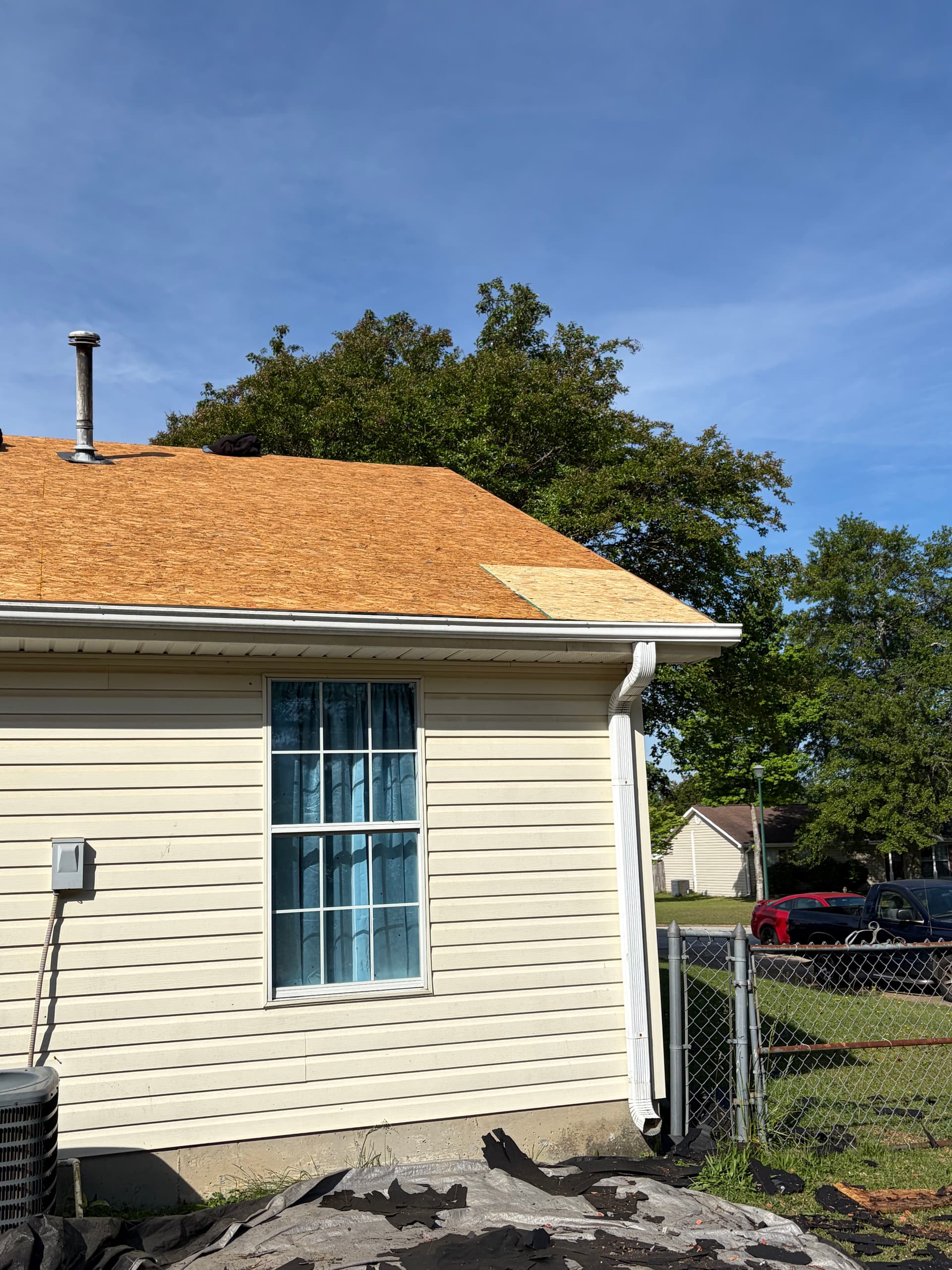
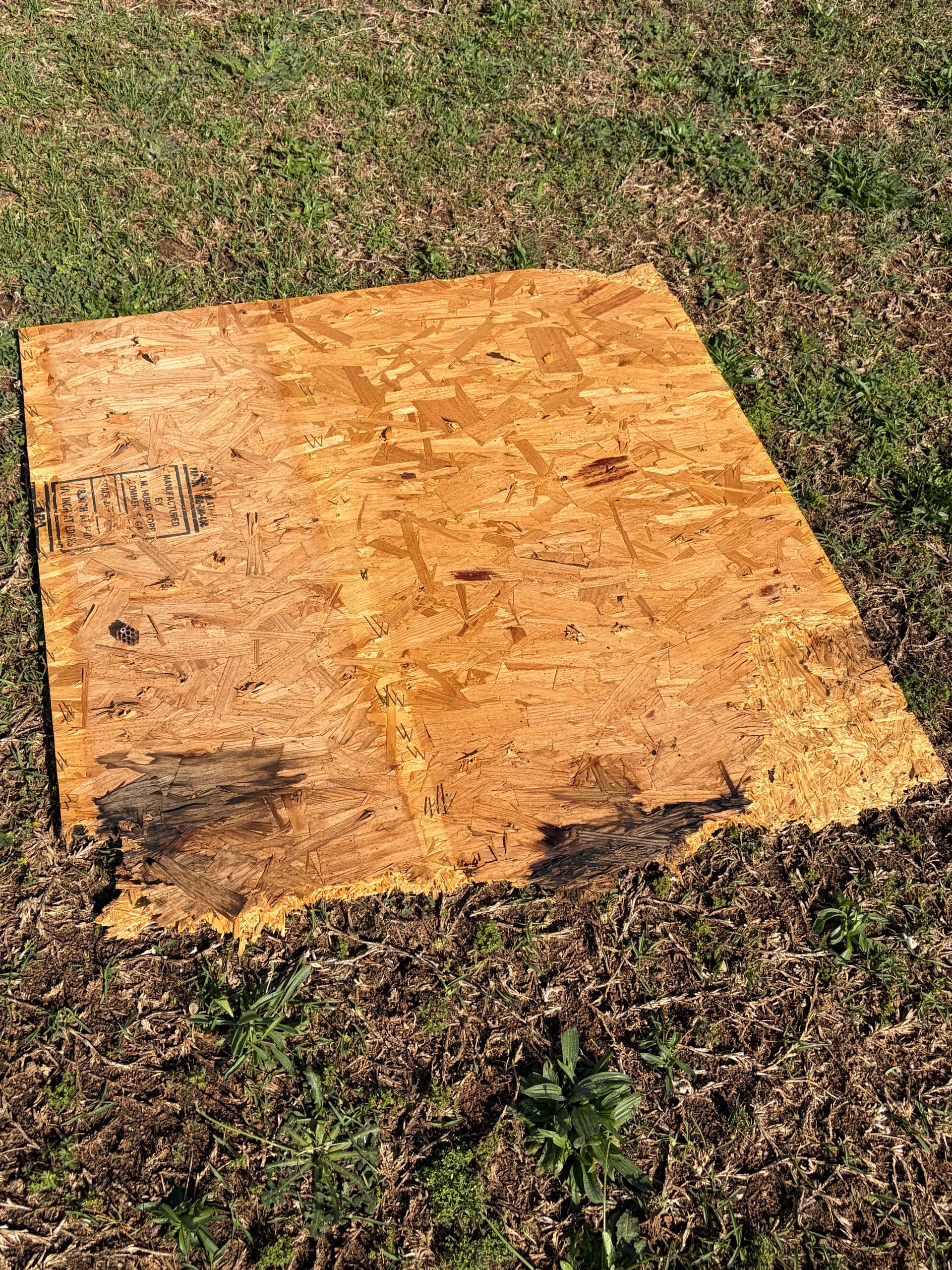
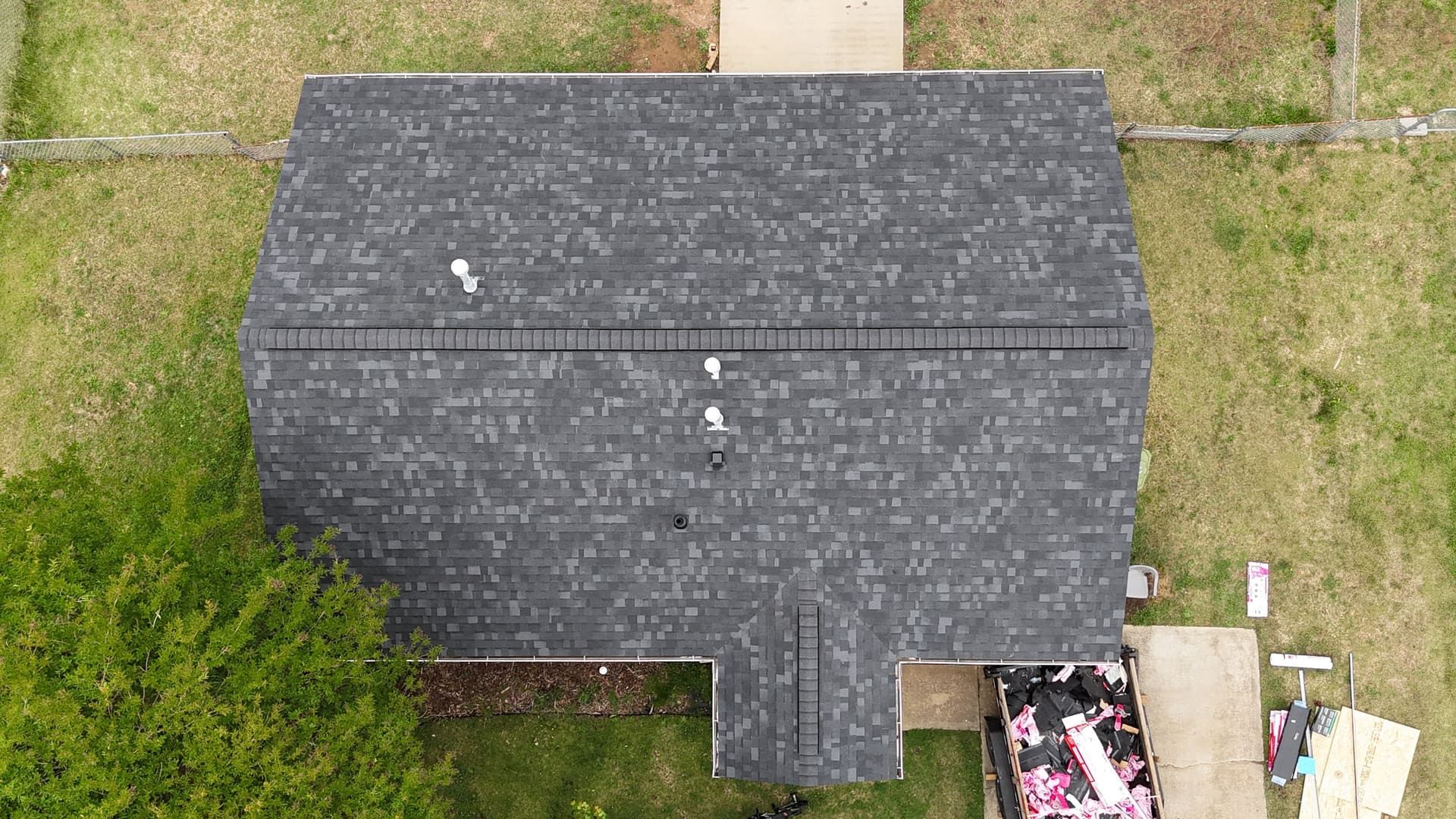
Rot at the eaves is one of those problems that looks minor from the ground but tells a much bigger story once we get up there. Water had been sneaking in - probably for a while - and by the time we stripped the old shingles, the damage to the decking was pretty clear. Soft, dark, deteriorating OSB that had no business being under a new roof.
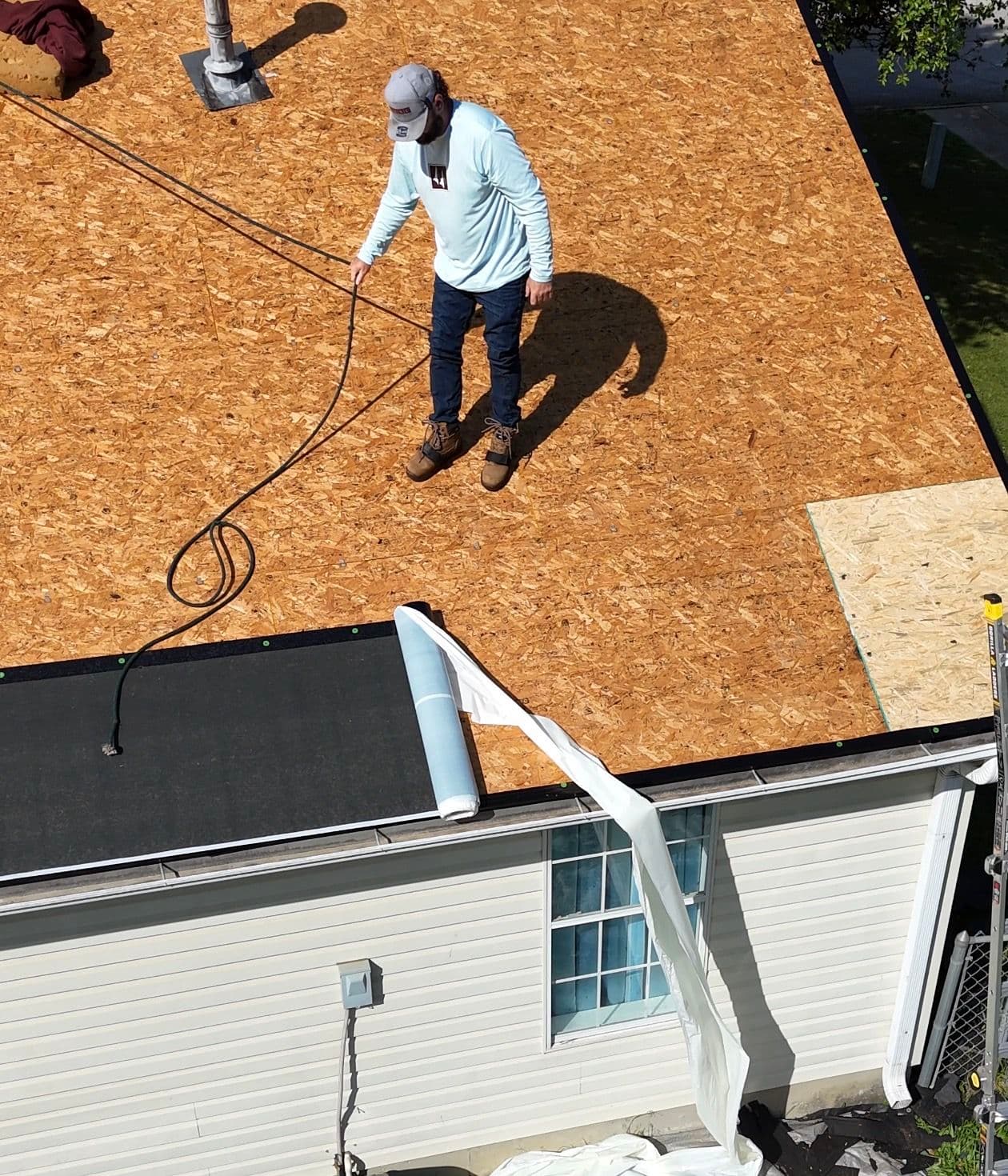
So before a single shingle went down, we pulled the bad decking and replaced it with fresh panels. That's not a step you can skip. Putting new shingles over compromised decking just delays the problem - it doesn't fix it. Once the deck was solid, we installed ice and water barrier at the eaves and valleys. That's the self-adhering membrane that acts as a waterproof layer in the spots most vulnerable to water intrusion. It's one of the most important details in a proper installation, and it's often the first thing cut when someone's trying to do a job on the cheap.
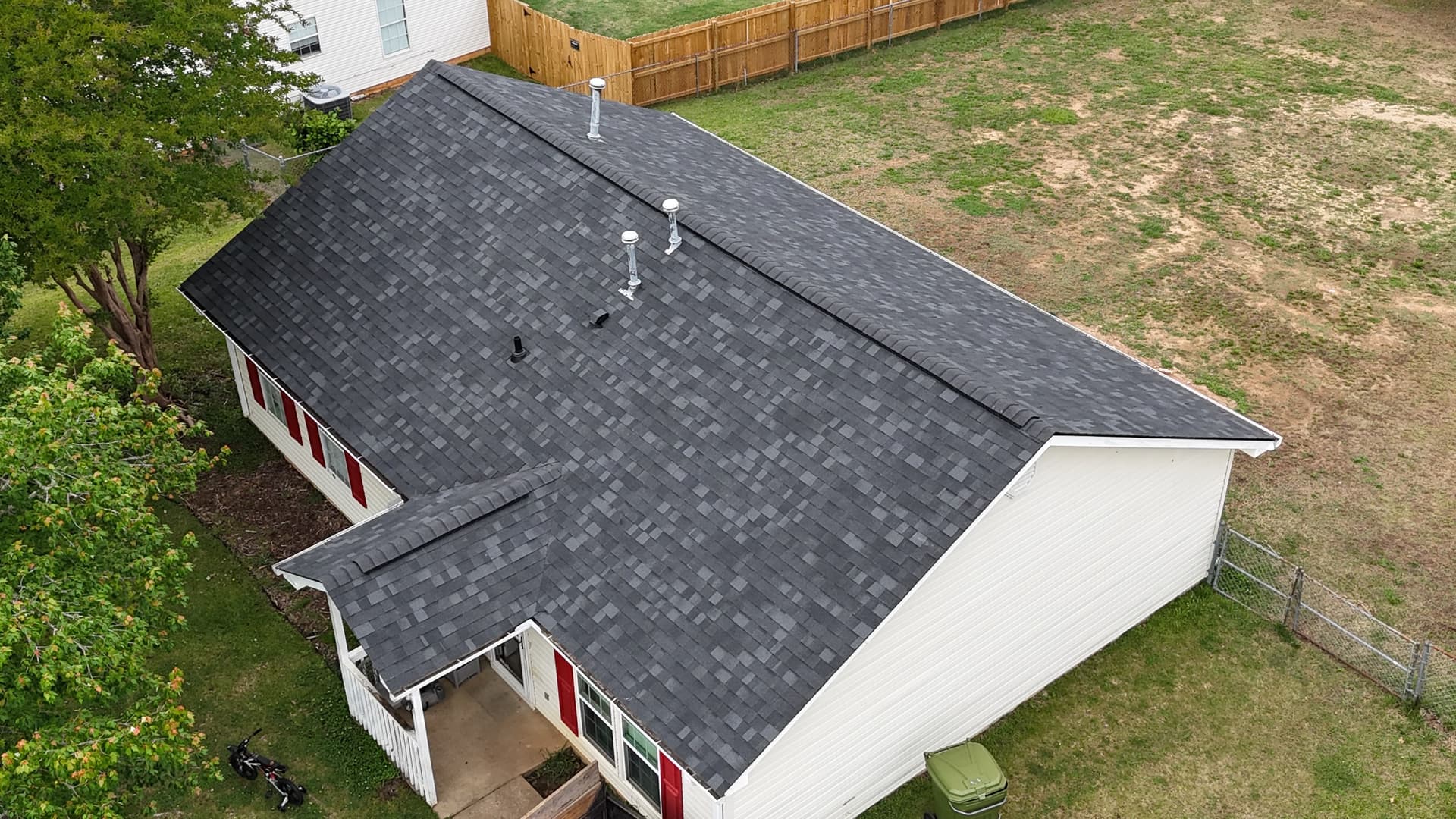
From there, we laid down Owens Corning Oakridge shingles across the entire roof. Oakridge is a laminated architectural shingle - thicker and more durable than the old three-tab style you see on a lot of older homes. The dimensional look also gives the roof a cleaner, more finished appearance that holds up well over time.
The aerial shots after completion show exactly what a properly done replacement looks like. Tight, even coursing. Clean ridgeline. Every penetration - pipes, vents - properly integrated into the shingle field. That consistency isn't just about looks. It means every part of the roof was installed with the same attention to detail, not just the parts you can see from the street.
If your eaves are showing signs of rot, or if you've got water stains showing up inside your home around the ceiling line, that's usually a sign that water is getting somewhere it shouldn't. Catching it early makes a big difference in what the repair ends up costing.